-1.png?width=180&height=55&name=Ednium%20Email%20(2)-1.png "Ednium Logo")
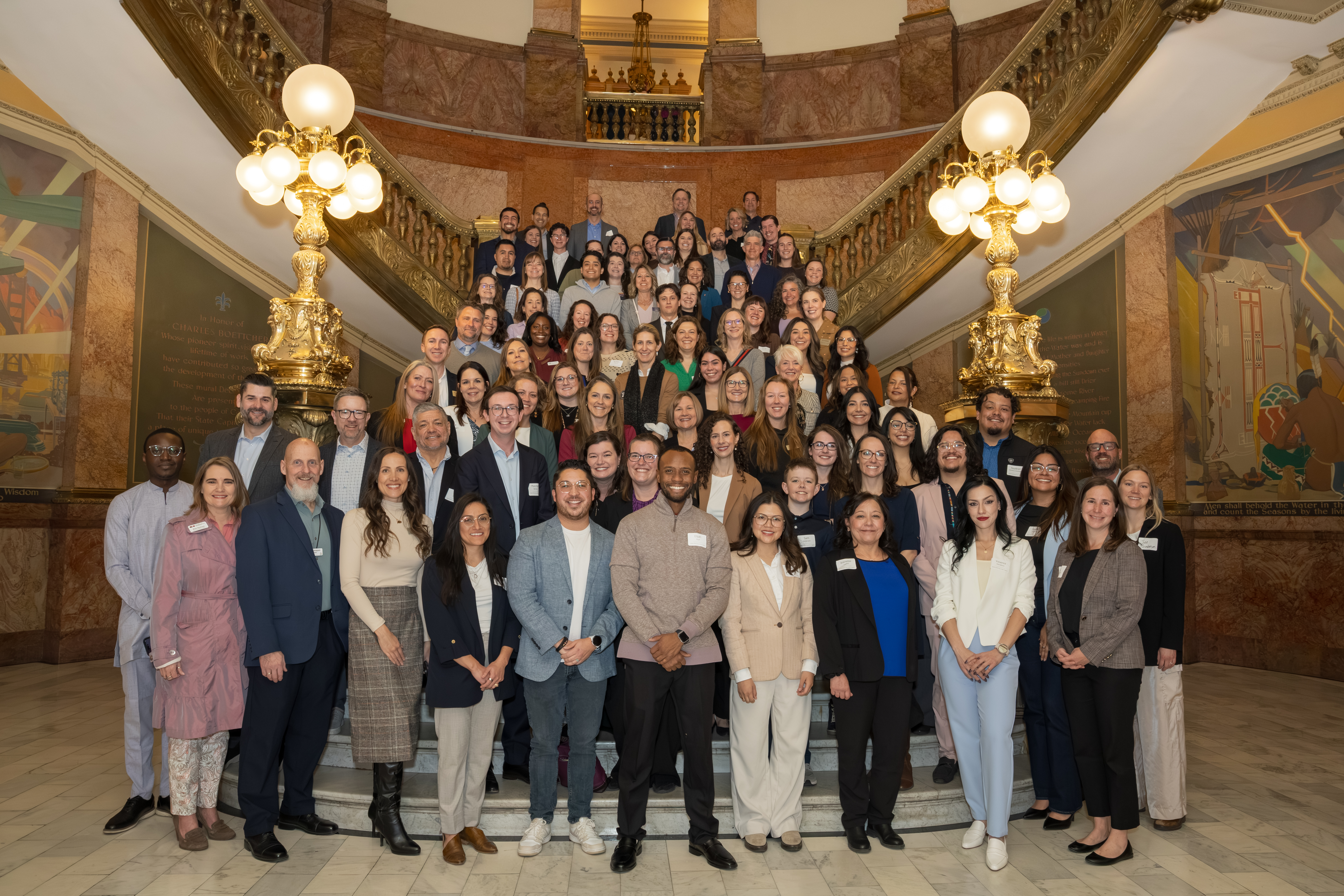
Some people think, “If I’m not out protesting, I’m not advocating,” and that isn’t true. Protests are an important—and necessary—part of our democracy, but there are lots of different ways to advocate for things you care about.
Like when I joined Ednium’s Advocacy Accelerator program last year: I was in a working group with K-12 educators discussing ways to prioritize and improve the health and well-being of our teachers.
But I’m not an educator and I don’t work in a classroom or a school. So, the way I advocated for my peers in that space looked different from the ways I might advocate in others. I stepped back, I listened, and I let others lead discussions rooted in their lived experiences.
As a senior legislative aide in the Colorado General Assembly, I contributed in my own way, sharing a valuable perspective that helped the group translate proposals into policies and put them on paper.
It was a different way for me to advocate, and it was a good reminder that being involved in advocacy doesn’t mean you have to have the loudest voice in the room. It just means you have to show up. You have to come to the table.
Bringing folks to the table is something Ednium does really well. It creates an incredible community and connects youth and alumni to meaningful opportunities—opportunities to share their lived experiences, learn from each other, and see how their ideas can translate into real change.
And I’ve learned that kind of community isn’t just something nice to have. It’s what keeps us going.
The Power of Advocacy
When I was a kid, I accompanied my mom to protests to advocate for pathways to citizenship. At the time, my mom was undocumented, and I have early memories of living in fear of immigration and law enforcement. I understood—without necessarily having the language—that it was important for my family to be more cautious than others.
Those experiences stayed with me. Even as a kid, I was beginning to understand that policies affected families like mine and how we existed in the world every day. I saw firsthand how systems affect people’s lives, long before I understood how those systems worked.
After high school, I took time to explore different majors and interests, but nothing landed. Nothing called to me. I didn’t feel fulfilled. So, I took time, sat with my thoughts, and asked myself, “What do I actually enjoy doing?”
What came to me was: “I want to help my community.” I also wanted to understand systems—how they work, how they don’t, and how they affect my community.
Once I knew my purpose, I decided to major in political science, which helped give me the language to understand some of my own lived experiences, and the ways systems had impacted my family.
That path led me to work at CLLARO and, eventually, the Colorado State Capitol. In my role as a senior legislative aide, the most meaningful part of my work isn’t just assisting in the process of drafting policy—it’s helping people see they belong in these spaces, too.
One of my favorite parts of this work is mentoring interns and meeting students who visit the Capitol. I get to watch them grow more confident in their voices, their ideas, and their sense of purpose. Sometimes they come in not sure if they belong.
But by the time they leave, they’re asking bigger questions about the policies they care about, the communities they serve, and the role they might play in shaping the future.
That’s what advocacy can do. It helps people realize their voice matters and that they have the agency to use that voice to create change. Systems change when communities show up.
You Belong
This month, six organizations, including Ednium, are mobilizing youth across Colorado for Youth Power Advocacy Days. It’s a two-day opportunity for youth to lead conversations and talk with legislators about policies that affect their ability to thrive—like K-12 and higher education, work-based learning opportunities, immigration, the environment, economic opportunity, and more. They’re bringing stories from their communities and their own experiences to advocate for a better future.
Youth Power Advocacy Days are just one example of how Ednium and its partners are helping young people turn their lived experiences into action. By connecting youth with policymakers, mentors, and leadership programs, Ednium is helping the next generation of advocates understand that their voices matter—and that there are hundreds of ways to use them.
Because advocacy doesn’t look just one way.
Sometimes it’s writing letters, giving testimony, participating in leadership programs, connecting neighbors to resources, or making sure someone else’s voice is heard.
You don’t have to march to the Capitol to make your voice heard, but it’s important you know that the Capitol is a space for you, too. I know it can feel intimidating, or like a place that isn’t for you. But it is. We call the Capitol “The People’s House.” And you belong there.
However you choose to show up—through Ednium's programs, through other youth-serving organizations, or by sharing your story—you’re practicing advocacy. Because advocacy is about showing up for your community.